

Almost 40 per cent of students would like to create their own NCBs
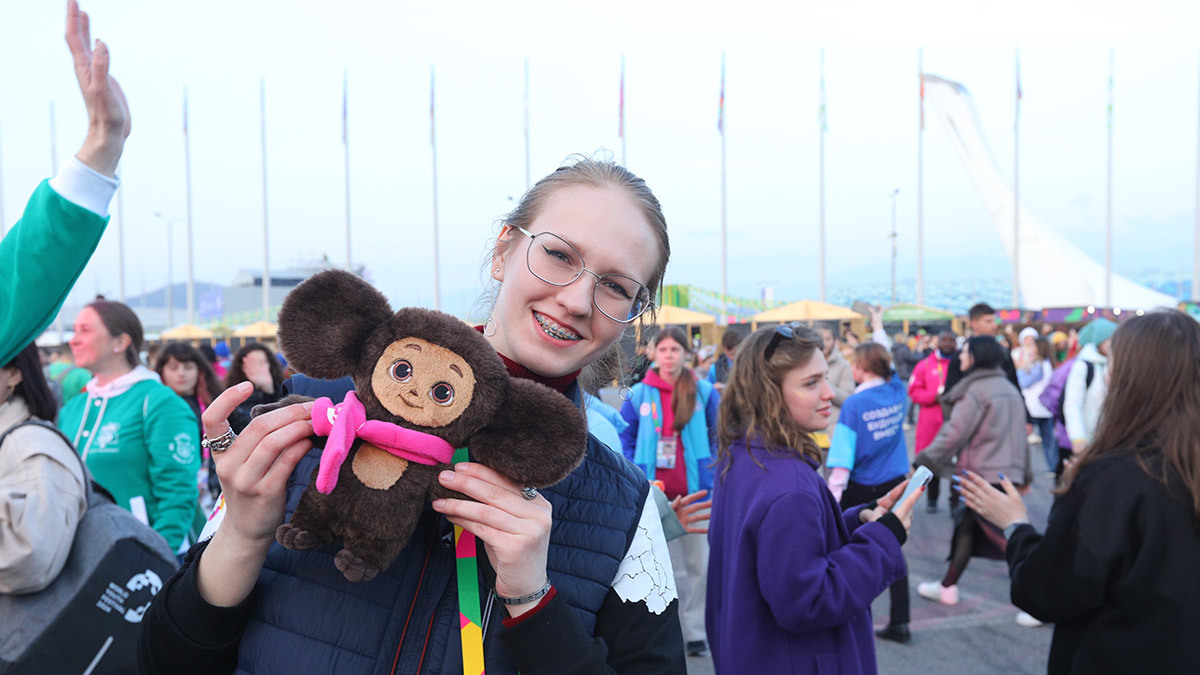
This trend is reflected in an online survey conducted by the Centre for Civil Society Studies and the non-profit sector of NIS, together with the Twice Student Platform (at the Offices). It follows that 37 per cent of active students wish in the future to establish their own non-profit organization (NCB), to initiate or lead it. The sample was 1,829 respondents aged 18 to 35.
Seventy-seven per cent of the respondents would like to participate in non-profit organizations in the future, with more than one third of respondents choosing employment in NCBs on a professional basis (38 per cent).
The study showed that the majority of respondents were aware of the NCBs of their town or area: the types of organizations they knew or even heard were 93 per cent of the respondents. The most commonly cited students were trade unions (55 per cent), school or student self-government (51 per cent), and charitable organizations aimed at helping children ' s shelters, victims of violence, drug addicts, refugees, homeless and other vulnerable groups (47 per cent).
Almost three quarters of the respondents (71 per cent) participated in the NCB. They were most often involved in groups, bodies of school or student self-government, including student councils, boards of dormitories (28 per cent); trade union organizations (22 per cent); professional associations and creative unions; and non-political youth informal associations (15 per cent).
The majority of those involved in NCBs did so as a member of an organization participating in the initiative (59 per cent) or volunteer (55%). The money is not surprising, students are still helping a little less (if compared to all Russians involved in the NCB, 18% versus 23 percent).
More than half of the students participating in the survey can be attributed to the core of the social base of civil society, and the Director of the Centre for Civil Society Studies and the non-profit sector of NIS, Irina Merciyanova. This gap, usually between 15 and 20 per cent of the adult population of the country as a whole, includes those most likely to engage in constructive public activities: people who are informed, willing to join others involved in the activities of local non-profit organizations involved in aid of others in charitable activities.
A system of resource and volunteer centres had been established in Russia, grants had been provided for the financing of NCB projects, work was under way to improve legislation in that area, and the Director of the Scientific and Educational Centre " Substantive-State Interaction, Non-profit Sector and Social Enterprise " of the IGSU Presidential Academy (RANHighS) Oxan Koroteev.
In her view, however, there was still a lack of information resources that would make it possible to explain to young people who wished to establish their NCBs the working arrangements of the non-profit sector. He could also familiarize them with available tools and opportunities, added the Koroteeva. The work in the NCB attracts young people for several reasons: it sees the outcome of its activities and is aware of its social significance, and explained the Assistant Professor of the Finance University, Alexander Safons.
In addition, volunteerism can develop social contacts with the authorities in order to build a career in the management system. According to Safonov, public experience shows that many activists then enter and develop their careers in this direction. " Salaries in this sector are low and not a major incentive.
More money can be earned in commercial structures, but it also has to face demand, strict liability and strict schedules.” For a long time, NCBs are usually not delayed, added Safons.
***
Entrepreneurs in the region are supported through the national project " Small and Medium Enterprise and support for the individual business initiative " initiated by the President of Russia.