

The Bank of Russia discussed business development with Yugoslav entrepreneurs
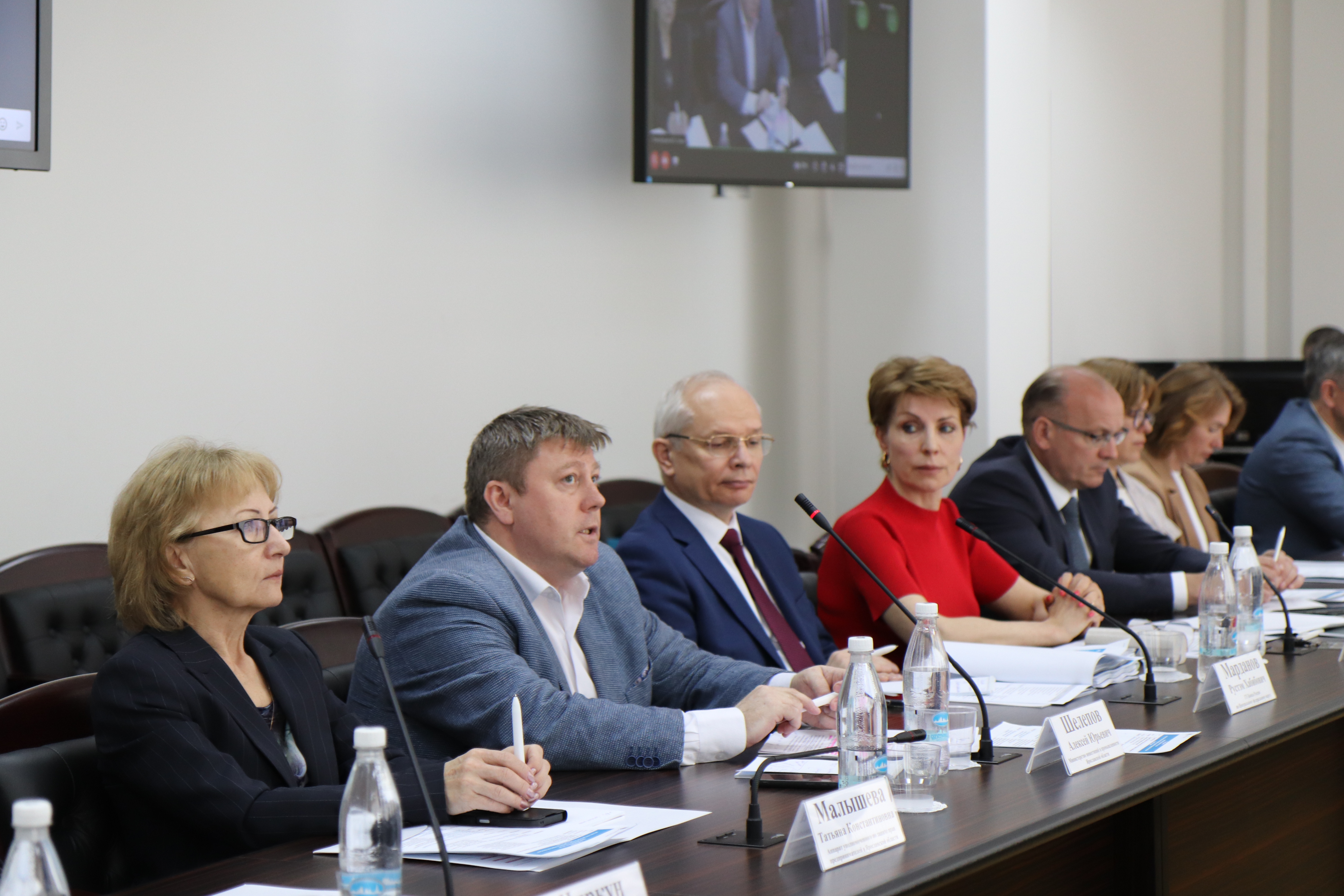
A communication session was held in Yaroslav on 21 May, at which the leadership of the Bank of Russia has traditionally explained its final decision at a key rate, described the economic situation and inflation trends. The event was attended by representatives of the Yugoslav business, the Ministry of Investment and Industry of the Jaroslava Region and other authorities and public organizations.
The main theme of the session was discussion of the impact of high interest rates on business. The analysts of the changes that have occurred due to expensive long-term loans were made by representatives of engineering, agriculture and the construction of the region. The meeting also raised issues of business price expectations, lack of staff, planning and other relevant issues.
The Chief of the Bank of Russia for the Russian Federation, Rustham Mardanov, described the factors that had affected the decision to maintain a key rate of 16 per cent on 26 April. The main reason is still high inflation pressure. Domestic demand exceeds economic opportunities, companies fail to expand production, resulting in higher prices.
" The Bank of Russia attaches great importance to inflationary expectations, as they impose prices, wages and people decide on purchases and savings. If economic agents expect prices to be substantially higher, they increase purchases instead of saving more, and nothing prevents prices from rising rapidly. Inflation is slowing, but we cannot yet claim that it is sustainable. Our challenge, through a key rate, to influence demand in a way that matches the potential of the economy " , has been noted by Rustham Mardanov.
The high level of business activity is reflected in the survey of enterprises conducted by the Bank of Russia. In the Yaroslava region, over 200 companies of different sizes and areas of activity participate in such surveys.
The situation in the Jaroslav region certainly has its own specificity, but in general it has shown trends common to all Russian regions. For example, consumer activity is slowing down, and the population is beginning to move towards a saving behaviour. Banks in the region note that demand for consumer and mortgage loans is declining.
An annual inflation forecast was also considered. According to the manager of the Jaroslavl branch of the Bank of Russia, Elena Burmistrow, the annual inflation in the Yaroslav region fell to 6.39% in March after 6,78% in February. The regulator predicts that, by the end of this year, inflation in general in Russia will fall to 4.3 to 4.8 per cent to 4.8 per cent and will be close to 4 per cent thereafter.
***
Support for entrepreneurs in the field is provided through the " Small and Medium Enterprise " project.